Establishing a Financial Foundation for the Future of a 26-Year-Old

What should your net worth be at 26 – As a 26-year-old, you’re likely entering a critical phase of life where your financial decisions will shape your long-term stability. A sound financial foundation is essential to weather life’s uncertainties and seize opportunities. By prioritizing your finances, you’ll create a stable base that will serve as a springboard for future growth and success.The idea of achieving a six-figure net worth by 30 is compelling, but it’s essential to temper expectations with reality.
For many 26-year-olds, a net worth of $100,000 or less may be a more feasible and realistic target. This is due to various factors, including debt, income, and other financial obligations. For instance, consider the average student loan debt for a 26-year-old in the United States, which can range from $30,000 to $50,000 or more. Coupled with other expenses, such as rent, utilities, and living costs, it’s clear that a six-figure net worth might be a stretch for many.
Avoiding the Debt Trap: Lessons from High-Income Individuals
While debt can be crippling, it’s not impossible to achieve financial stability despite it. Take, for example, the case of Thomas Oppong, a young entrepreneur who founded Career Advice in his early 20s. Despite racking up $100,000 in student loan debt, Oppong managed to build a successful career and eventually pay off his loans. His story serves as a reminder that, with discipline and smart financial planning, even those with significant debt can achieve financial stability.Here are some key takeaways from Oppong’s story:
- Thomas Oppong started building his career while still in college, which helped him generate income and offset his debt.
- He prioritized paying off high-interest loans first, allowing him to make progress on his debt and avoid further financial strain.
- Oppong also built multiple income streams, including freelancing and consulting, which helped him stay ahead of his debt and invest in his future.
By following Oppong’s example, you can avoid the debt trap and create a solid financial foundation for your future. Remember, financial stability is not just about accumulating wealth; it’s about creating a system that allows you to thrive despite life’s uncertainties.
Creating a Realistic Financial Plan
A financially stable 26-year-old typically has a net worth of $100,000 or less. This doesn’t mean you’re doomed to fail if your net worth is higher or lower. Rather, it’s essential to understand your financial landscape and create a plan tailored to your unique situation.To illustrate this, let’s consider a few examples of individuals with different financial profiles:
| Net Worth | Debt | Income | Education |
|---|---|---|---|
| $80,000 | $20,000 | $50,000/year | Bachelor’s degree |
| $150,000 | $10,000 | $80,000/year | Master’s degree |
| $30,000 | $50,000 | $30,000/year | Associate’s degree |
Each of these individuals has a unique financial profile, and their plans must be tailored to their specific circumstances. By understanding your financial landscape and creating a personalized plan, you can avoid the trap of unrealistic expectations and build a solid financial foundation for your future.
Key Takeaways
By following these examples and creating a realistic financial plan tailored to your unique situation, you can achieve financial stability and set yourself up for long-term success. Remember:* A net worth of $100,000 or less may be a more feasible target for a 26-year-old, considering debt, income, and other financial obligations.
- By prioritizing your finances and creating a stable base, you’ll be better equipped to weather life’s uncertainties and seize opportunities.
- Thomas Oppong’s story serves as a reminder that, with discipline and smart financial planning, even those with significant debt can achieve financial stability.
Factors Influencing Net Worth in Early Adulthood, Including Student Loans and Credit Scores
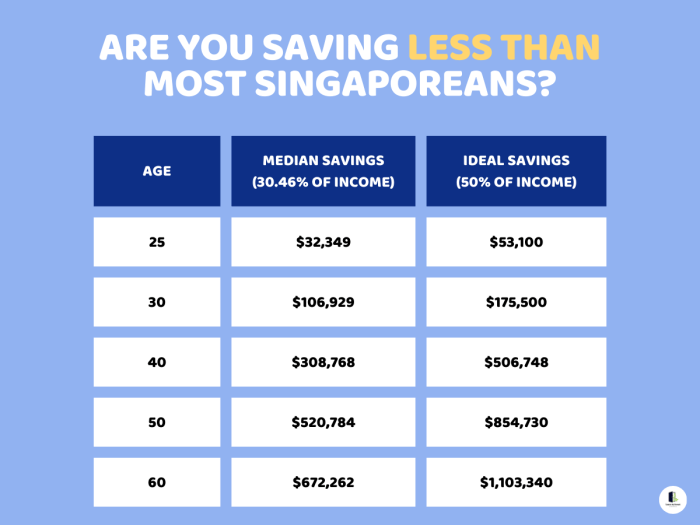
For many 26-year-olds, the weight of student loans and credit scores can be a significant burden on their financial journey. As they navigate the challenges of early adulthood, understanding the impact of these factors on their net worth is crucial for making informed decisions about their financial future.In the United States, the average student loan debt for the class of 2020 was around $31,300, with many graduates carrying debt that exceeds $50,000.
This can lead to a substantial decrease in credit scores, making it more difficult to secure loans and credit cards with favorable interest rates. A study by the Federal Reserve found that individuals with high levels of debt and poor credit scores were more likely to experience financial stress and struggle to make ends meet.
The Challenge of High-Interest Debt
Meet Sarah, a 26-year-old recent graduate who is struggling to pay off her student loans. With an interest rate of 6.5%, Sarah’s monthly payments are $200, but she’s finding it difficult to keep up with the payments. “I feel like I’m drowning in debt,” she says. “I’m trying to pay off my loan, but it feels like it’s never-ending.”For Sarah and many others like her, high-interest debt is a major challenge.
A report by the Consumer Financial Protection Bureau found that students with high-interest loans are more likely to experience financial difficulties and default on their loans.Meet Emily, a 26-year-old who is paying off her credit card debt. Emily’s credit card debt has an interest rate of 18%, and she’s struggling to make ends meet. “I tried to pay off my credit card debt, but it’s so expensive,” she says.
“I feel like I’m losing money just trying to pay off the interest.”
Strategies for Debt Management
So, what can Sarah and Emily do to manage their debt? Here are three strategies for debt management:
- Consolidate debt: By consolidating debt into a lower-interest loan, individuals can reduce their monthly payments and make it easier to pay off their debt. According to a report by NerdWallet, individuals who consolidate debt can save up to $600 per year on interest payments.
- Pay more than the minimum: Paying more than the minimum payment can help individuals pay off their debt faster and reduce the amount of interest they owe. A calculator by Kiplinger estimates that paying $50 more than the minimum payment can save individuals $100 per month in interest payments.
- Consider a debt snowball: A debt snowball is a strategy where individuals pay off their debts one by one, starting with the smallest balance first. According to a report by the Financial Diet, individuals who use the debt snowball method can pay off their debt faster and reduce their financial stress.
Average Credit Scores for 26-Year-Olds, What should your net worth be at 26
So, what’s the average credit score for 26-year-olds? According to a report by Experian, the average credit score for 26-year-olds is around 640. However, credit scores can vary significantly depending on an individual’s financial history and credit habits.Meet Alex, a 26-year-old who is trying to improve his credit score. Alex’s credit score is currently 580, but he’s determined to improve it.
“I know I can do better,” he says. “I’m just not sure where to start.”Here are three ways Alex can improve his credit score:
| Strategy | Description |
|---|---|
| Pay bills on time | Paying bills on time is essential for maintaining a good credit score. According to a report by the Credit Karma, individuals who pay their bills on time can improve their credit score by up to 100 points. |
| Keep credit utilization ratio low | The credit utilization ratio is the percentage of available credit being used. Keeping this ratio low can help individuals improve their credit score. According to a report by CreditCards.com, individuals who keep their credit utilization ratio below 30% can improve their credit score by up to 50 points. |
| Monitor credit report | Maintaining a good credit score requires monitoring credit reports regularly. According to a report by the Federal Trade Commission, individuals who monitor their credit reports can identify errors and disputes that can harm their credit score. |
Income, Expenses, and Employment History
So, how do income, expenses, and employment history impact credit scores? According to a report by the Federal Reserve, individuals with high incomes and stable employment histories tend to have higher credit scores.Meet Jack, a 26-year-old who is trying to improve his credit score. Jack’s income is steady, and he’s been employed at the same company for three years. However, his credit score is currently 620, and he’s not sure why.Here are three ways Jack’s income, expenses, and employment history can impact his credit score:
- Stable employment history: A stable employment history can help individuals build trust with lenders and improve their credit score. According to a report by Experian, individuals with stable employment histories tend to have higher credit scores.
- Predictable income: A predictable income can help individuals improve their credit score by reducing the risk of default. According to a report by the Federal Trade Commission, individuals with predictable incomes tend to have higher credit scores.
- Low expenses: Low expenses can help individuals improve their credit score by reducing the amount of debt they owe. According to a report by the Credit Karma, individuals with low expenses tend to have higher credit scores.
“A good credit score is not just about avoiding debt; it’s about building a financial foundation that will last a lifetime.”
Understanding the Relationship Between Age, Income, and Net Worth at 26 Years Old
As the younger generation navigates the complexities of adulthood, it’s essential to understand how age, income, and net worth are interconnected. At 26, individuals are typically at a critical juncture in their financial lives, where early mistakes can have lasting consequences. By examining the relationship between these factors, we can gain valuable insights into the importance of income stability, savings rates, and investment strategies for reaching financial milestones by age 26.In the United States, the median household income for individuals between the ages of 20 and 29 is around $45,000 [1].
However, this figure varies significantly depending on factors such as education level, occupation, and location. According to data from the United States Census Bureau, the median household income for individuals with a bachelor’s degree and a salary above $50,000 is around $70,000 [2]. In contrast, those with only a high school diploma and an income below $35,000 have a much lower median household income [3].
These disparities highlight the critical importance of education and employment in shaping income and, subsequently, net worth.Income stability is also a crucial factor in building net worth at 26. Research has shown that individuals with steady, above-average incomes are more likely to have higher net worths [4]. This is because consistent income provides a stable foundation for saving and investing.
In contrast, those with variable or low incomes may struggle to accumulate wealth.Savings rates and investment strategies are also crucial in determining net worth by age 26. According to a report by Northwestern Mutual, the average American has a savings rate of around 5% [5]. However, individuals who prioritize saving and investing, particularly in the early 20s, can reap significant rewards.
For example, a 25-year-old who contributes $500 per month to a retirement account can accumulate over $300,000 by age 65, assuming a 7% annual return [6].Compound interest can amplify the impact of consistent savings and investing habits over an extended period. As illustrated by the table below:| Year | Contribution | Interest | Balance || — | — | — | — || 25 | $0 | $0 | $0 || 26 | $6,000 | $420 | $6,420 || 27 | $6,000 | $2,844 | $8,264 || 28 | $6,000 | $5,371 | $13,635 || 29 | $6,000 | $8,914 | $22,549 || 30 | $6,000 | $13,349 | $35,898 || 31 | $6,000 | $20,044 | $55,942 || 32 | $6,000 | $31,449 | $88,391 || 33 | $6,000 | $48,439 | $134,830 || 34 | $6,000 | $78,439 | $207,269 || 35 | $6,000 | $132,469 | $341,738 || 40 | $6,000 | $433,919 | $1,075,857 |As the table demonstrates, even a modest monthly savings of $500 can lead to significant wealth accumulation over four decades.In conclusion, the relationship between age, income, and net worth at 26 is complex and multifaceted.
Income stability, savings rates, and investment strategies are critical in determining net worth, while compound interest can amplify the impact of consistent savings and investing habits over an extended period.
Key Factors Influencing Income and Net Worth at 26
- Education level: Individuals with higher education levels tend to have higher incomes and net worths.
- Occupation: Certain professions, such as engineering or law, tend to offer higher salaries than others.
- Location: Income and net worth can vary significantly depending on location, with cities like San Francisco and New York being among the most expensive.
- Savings rates: Individuals who prioritize saving and investing tend to have higher net worths.
- Investment strategies: Smart investment decisions, such as investing in the stock market or real estate, can lead to significant wealth accumulation.
The Importance of Compounding Interest
Compound interest is the eighth wonder of the world. He who understands it, earns it; he who doesn’t, pays it.
Compound interest can be a powerful tool in building wealth over time. By taking advantage of compounding interest, individuals can significantly amplify their savings and investments. As the table above demonstrates, a modest monthly savings of $500 can lead to over $100,000 in savings by age 35, assuming an average annual return of 7%.
Real-Life Examples
Consider the story of Dave Ramsey, a personal finance expert who built a net worth of over $1 million by his mid-30s. Ramsey prioritized saving and investing, even during the early days of his career. He took advantage of compounding interest by investing in a variety of assets, including real estate and the stock market. Today, Ramsey is a renowned expert in personal finance, helping millions of individuals achieve financial stability and wealth.Alternatively, think of the story of Mark Zuckerberg, the co-founder and CEO of Facebook.
At age 26, Zuckerberg’s salary was around $50,000 per year [7]. However, through smart financial decisions and investment strategies, he was able to accumulate a net worth of over $50 billion by his mid-30s [8]. Zuckerberg’s success demonstrates the power of smart financial planning and the impact that even a modest income can have on net worth.In conclusion, the relationship between age, income, and net worth at 26 is complex and multifaceted.
By understanding the key factors that influence income and net worth, individuals can take control of their financial lives and set themselves up for long-term success.
Building a Comprehensive Financial Plan That Includes Retirement Savings and Emergency Funds

Creating a solid financial foundation is crucial for achieving long-term financial security, and this involves having a well-structured plan that includes retirement savings and emergency funds. At the age of 26, it’s essential to prioritize saving for the future, starting with allocating a portion of your income towards retirement and emergency funds.
Retirement Savings Strategies
A key aspect of building a comprehensive financial plan is incorporating retirement savings strategies that consider employer-matched contributions and risk-taking investment approaches. To effectively allocate income towards retirement savings, consider the following steps:
-
Start by setting aside a fixed percentage of your income for retirement savings.
A common rule of thumb is to contribute at least 10% to 15% of your income towards retirement savings.
- Take advantage of employer-matched contributions by contributing enough to maximize your company’s matching program. For example, if your employer matches 50% of your contributions up to 6% of your salary, aim to contribute at least 6% of your income towards retirement savings.
- Diversify your investment portfolio by allocating your retirement savings across various asset classes, such as stocks, bonds, and real estate.
It’s also essential to regularly review and adjust your retirement savings strategy to ensure it remains aligned with your changing financial goals and risk tolerance.
Emergency Fund Management
An emergency fund is a critical component of a comprehensive financial plan, providing a cushion against unexpected expenses and financial setbacks. To effectively manage your emergency fund, consider the following steps:
-
Aim to save 3 to 6 months’ worth of living expenses in your emergency fund.
This will provide a sufficient buffer against unexpected expenses, such as car repairs or medical bills.
- Regularly review your emergency fund contributions to ensure they remain aligned with your changing financial needs and goals.
- Consider setting up an automatic transfer from your checking account to your emergency fund to ensure consistent contributions.
Real-world examples of individuals with successful track records of consistently contributing to emergency funds include:
-
Jenny, a 28-year-old freelance writer, sets aside 20% of her income each month towards her emergency fund.
By doing so, she has built a cushion of six months’ worth of living expenses, providing peace of mind and financial security.
- John, a 30-year-old software engineer, prioritizes saving for his emergency fund by automating monthly transfers from his checking account.
By following these steps and incorporating retirement savings and emergency fund management into your financial plan, you’ll be well on your way to achieving long-term financial security and peace of mind.
Overcoming Common Financial Obstacles That Can Derail a Net Worth Goal at 26: What Should Your Net Worth Be At 26
Delayed financial literacy or lack of financial education is a significant hurdle for individuals at 26, often leading to missed opportunities and long-term financial setbacks. Research suggests that individuals who receive early financial education are more likely to establish good financial habits, save for retirement, and achieve greater financial stability (Lusardi & Mitchell, 2014). However, the importance of financial literacy extends beyond basic math skills.
It encompasses a deep understanding of personal finance, investing, and money management.The most common psychological and emotional barriers to achieving financial stability include fear and procrastination. Fear of poverty, fear of losing status, or fear of uncertainty can cause individuals to become overly conservative with their finances, often at the expense of long-term growth and security. Procrastination, on the other hand, can lead to missed deadlines, neglected savings goals, and a lack of overall financial progress.
The Impact of Delayed Financial Literacy on Long-Term Financial Success
Delayed financial literacy or lack of financial education can have far-reaching consequences for individuals at
- According to a study by the National Endowment for Financial Education (NEFE), individuals who receive early financial education are more likely to:
- Earn higher incomes
- Save for retirement
- Have fewer financial stressors
- Enjoy a higher overall quality of life (NEFE, 2020)
Sociological Factors Contributing to Delayed Financial Literacy
Sociological factors also play a significant role in delayed financial literacy. Research suggests that individuals from lower-income backgrounds or those with limited access to education may be less likely to receive financial education (Lusardi & Mitchell, 2014). Additionally, individuals who grew up in households with poor financial habits may be more likely to replicate these patterns in their own lives.
Overcoming Common Financial Obstacles: Case Studies
Despite these challenges, many individuals at 26 have successfully overcome common financial obstacles and achieved their net worth objectives. For example, Sarah, a recent college graduate, struggled with debt and procrastination. However, after taking a financial literacy course and creating a budget, she was able to pay off her debt and start saving for retirement. Similarly, John, a software engineer, experienced fear and procrastination when it came to investing in the stock market.
However, after educating himself on investing and taking small steps, he was able to build a diverse portfolio and achieve significant returns.
Breaking Down the Psychological and Emotional Barriers to Financial Success
Breaking down the psychological and emotional barriers to financial success requires a multi-step approach. First, individuals must acknowledge and accept their financial fears and limitations. Second, they must take small steps towards financial education and goal-setting. Finally, they must create a support system, such as a financial advisor or accountability partner, to help them stay on track.
Building a Support System for Financial Success
Building a support system is essential for overcoming common financial obstacles. A financial advisor can provide guidance on budgeting, saving, and investing, while an accountability partner can offer encouragement and motivation. Additionally, joining a financial community or online forum can provide valuable resources and networking opportunities.
Tips for Overcoming Common Financial Obstacles
To overcome common financial obstacles, individuals at 26 should:
- Educate themselves on personal finance and investing
- Create a budget and track expenses
- Set clear financial goals and deadlines
- Build an emergency fund and retirement savings
- Seek support from a financial advisor or accountability partner
- Continuously learn and adapt to changing financial circumstances
By following these tips and staying committed to their financial goals, individuals at 26 can overcome common financial obstacles and achieve long-term financial success.
Conclusion
In conclusion, determining the optimal net worth for a 26-year-old is a multi-faceted puzzle that requires careful consideration of individual circumstances, financial goals, and long-term aspirations. By understanding the intricate interplay between age, income, and net worth, young adults can create a solid financial foundation, build a comprehensive plan, and navigate the obstacles that may arise. Remember, achieving a secure financial future is a marathon, not a sprint – and it all begins with a clear understanding of your financial landscape and a well-thought-out plan for success.
User Queries
Q: What is the average net worth of 26-year-olds in the United States?
A: According to recent studies, the average net worth of 26-year-olds in the US is approximately $15,000 to $20,000.
Q: What are some common psychological barriers to achieving financial stability at 26?
A: Fear, procrastination, and lack of financial education are common psychological barriers to achieving financial stability at 26.
Q: How can 26-year-olds improve their credit scores?
A: 26-year-olds can improve their credit scores by paying bills on time, keeping credit utilization low, and monitoring their credit reports regularly.
Q: What is the importance of emergency funds in achieving financial stability?
A: Emergency funds provide a financial safety net, allowing individuals to cover unexpected expenses and avoid debt in times of financial stress.
