Market Trends and Industry Developments

What is the net worth of intel – As the world continues to navigate the complex landscape of technology, one thing is clear: Intel is poised to capitalize on emerging market trends and industry developments that will shape the future of computing. With its rich history and innovative spirit, Intel has consistently demonstrated its ability to adapt to changing market conditions and capitalize on opportunities that others may overlook.From the growth of cloud computing to the rise of 5G technology, the trends and developments that are shaping the tech industry are multifaceted and far-reaching.
At the center of it all is Intel, a company that has been at the forefront of technological innovation for decades. As we explore the impact of these trends on Intel’s net worth, it becomes clear that the company is well-positioned to maintain its position as a leader in the tech industry.
The Growth of the Cloud Computing Market
The cloud computing market has been one of the fastest-growing sectors in recent years, driven by the increasing demand for cloud-based services and the rise of edge computing. According to a report by MarketsandMarkets, the global cloud computing market is projected to reach $445.3 billion by 2026, growing at a compound annual growth rate (CAGR) of 25.8% during the forecast period.
This growth is expected to be driven by the increasing adoption of cloud-based services across various industries, including finance, healthcare, and retail.For Intel, the growth of the cloud computing market presents a significant opportunity to capitalize on its strengths in chip design and manufacturing. Intel’s portfolio of cloud-based products and services, including its Xeon and Optane lines, are well-positioned to meet the growing demand for cloud infrastructure.
Additionally, Intel’s investments in AI and machine learning will enable the company to better serve the growing needs of cloud-based services.
The Rise of 5G Technology
The rise of 5G technology has been one of the most significant developments in the tech industry in recent years, with its potential to transform the way we live, work, and communicate. According to Ericsson’s Mobility Report, there will be 4.4 billion 5G subscriptions by the end of 2025, representing a significant increase from the 1.5 billion subscriptions expected at the end of 2023.
This growth is expected to be driven by the increasing demand for high-speed data and low-latency connectivity across various industries, including healthcare, finance, and entertainment.For Intel, the rise of 5G technology presents a significant opportunity to capitalize on its strengths in chip design and manufacturing. Intel’s portfolio of 5G products and services, including its XMM modems and network processing units (NPUs), are well-positioned to meet the growing demand for 5G infrastructure.
Additionally, Intel’s investments in AI and machine learning will enable the company to better serve the growing needs of 5G-based applications.
Capitalizing on Emerging Trends, What is the net worth of intel
In addition to the growth of the cloud computing market and the rise of 5G technology, there are several other emerging trends and developments that Intel is well-positioned to capitalize on. These include:
- The increasing adoption of edge computing and IoT, which will require high-performance computing and low-power processing capabilities.
- The growing demand for AI and machine learning, which will require significant processing power and specialized hardware.
- The increasing focus on sustainability and energy efficiency, which will require companies to prioritize green and efficient technologies.
As Intel looks to the future, it is clear that the company is poised to capitalize on emerging market trends and industry developments that will shape the future of computing. With its rich history, innovative spirit, and strong portfolio of products and services, Intel is well-positioned to maintain its position as a leader in the tech industry and continue to drive growth and innovation.
Intellectual Property and R&D Expenditures
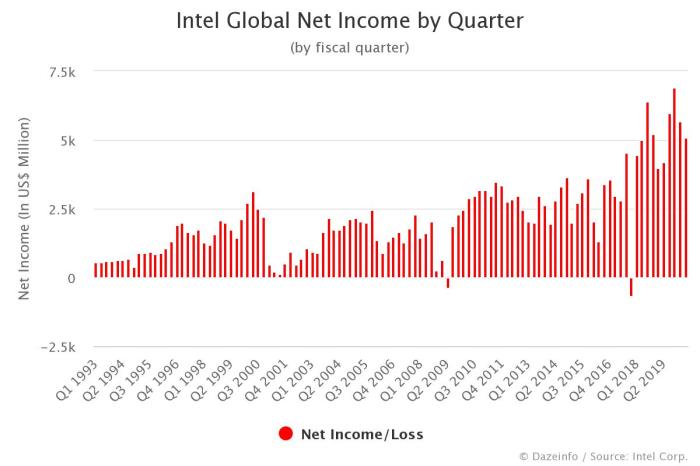
Intellectual property and research and development (R&D) expenditures have long been a cornerstone of Intel’s strategy to maintain its competitive edge and drive growth. As a technological leader in the semiconductor industry, Intel’s intellectual property and R&D investments have played a crucial role in fueling innovation and ultimately impacting the company’s net worth. In this segment, we will delve into the significance of intellectual property and R&D expenditures in Intel’s success story.Intellectual property, including patents, trademarks, copyrights, and trade secrets, has been a vital component of Intel’s strategy to safeguard its innovations and maintain a competitive advantage.
With over 65,000 active patents worldwide, Intel’s intellectual property portfolio is one of the largest and most valuable in the industry. By aggressively licensing its patents and enforcing its intellectual property rights, Intel has been able to generate significant revenue and maintain its market position.Research and development expenditures have also been a cornerstone of Intel’s strategy to drive innovation and growth.
The company’s R&D investments have enabled it to stay at the forefront of technological advancements in the semiconductor industry, from transistor technology to artificial intelligence. Intel’s R&D expenditures have consistently been among the highest in the industry, with the company investing over $15 billion in R&D in 2020 alone.
Strategies for Leverage Intellectual Property and R&D Investments
Intel has implemented several strategies to leverage its intellectual property and R&D investments, driving innovation and growth.The company has established a robust patent licensing program, which generates significant revenue through licensing fees from third-party companies. Intel also invests heavily in research partnerships with leading universities and research institutions, enabling the company to tap into cutting-edge research and innovation.Intel’s R&D investments have enabled the company to develop proprietary technologies that are difficult for competitors to replicate.
The company’s focus on innovation has led to the development of new products and technologies, such as 5G wireless systems and artificial intelligence accelerators.
Fueling Growth and Revenue through Intellectual Property and R&D
Intel’s strategic investments in intellectual property and R&D have fueled growth and revenue for the company. By generating significant licensing revenue through its patent portfolio, Intel has been able to increase its revenue streams and maintain a competitive advantage.The company’s R&D investments have enabled it to develop new products and technologies that have expanded its market reach and driven revenue growth.
Intel’s focus on innovation has led to increased sales and revenue, solidifying its position as a leader in the semiconductor industry.
Impact on Net Worth
Intel’s investments in intellectual property and R&D have had a direct impact on the company’s net worth. The company’s robust patent portfolio and significant R&D investments have enabled it to maintain a competitive advantage, driving revenue growth and increasing its net worth.As the semiconductor industry continues to evolve, Intel’s commitment to innovation and R&D investments will remain a key driver of its success.
By leveraging its intellectual property and R&D expenditures, Intel will continue to fuel growth and drive revenue, solidifying its position as a leader in the industry.
End of Discussion: What Is The Net Worth Of Intel
![Intel Statistics By Revenue, Usage and Users [2025 Updated]](https://i0.wp.com/d1io3yog0oux5.cloudfront.net/_fe9429320071f231270ceef9bc834892/intel/db/967/8558/image.jpg?w=700 "Intel Statistics By Revenue, Usage and Users [2025 Updated]")
In conclusion, Intel’s net worth is a testament to the company’s ability to adapt to changing market dynamics while maintaining a focus on innovation and customer satisfaction. As we’ve seen throughout this discussion, Intel’s financial performance, key ratios, and asset valuation all contribute to a comprehensive understanding of its net worth. The company’s commitment to R&D and intellectual property further underscores its dedication to driving growth and staying ahead of the competition.
FAQ Overview
What are Intel’s revenue streams?
Intel’s revenue streams include microprocessor sales, data center and artificial intelligence solutions, memory and storage products, and investments in emerging technologies such as 5G and IoT.
How is Intel’s net worth calculated?
Intel’s net worth is calculated using various methods, including book value, market value, and intrinsic value approaches, taking into account its market capitalization, debt levels, and asset values.
What are the key ratios that assess Intel’s financial health?
Key ratios include debt-to-equity, current ratio, and return on equity (ROE) to evaluate Intel’s financial performance and assess its net worth.
How does Intel manage its regulatory and environmental factors?
Intel leverages intellectual property and R&D investments to drive innovation and growth while managing regulatory and environmental factors through effective risk mitigation and compliance strategies.
