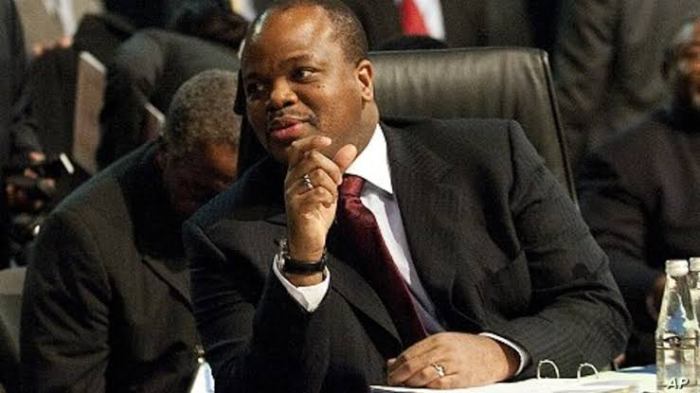
Overview of King Mswati III’s Wealth Portfolio: King Mswati Net Worth

King mswati net worth – King Mswati III, the last absolute monarch in Africa, boasts a substantial net worth estimated in billions of dollars. His wealth is attributed to a diverse range of assets and investments that showcase his financial acumen and long-term investment strategy. As the king of Eswatini, Mswati III’s wealth portfolio is an intriguing blend of traditional and modern assets, making it an interesting subject for analysis.One of the notable characteristics of King Mswati III’s wealth portfolio is its diversification across various sectors, including real estate, business holdings, and financial instruments.
His diversified portfolio allows him to ride out economic fluctuations and generate a steady stream of income. Mswati III’s ability to adapt to changing economic conditions has enabled him to maintain his net worth, despite various global economic downturns.
Real Estate Holdings
King Mswati III’s real estate holdings are a cornerstone of his wealth portfolio, with extensive properties across Eswatini, South Africa, and other parts of Africa. His real estate empire includes luxury hotels, residential properties, and commercial buildings. These investments provide a steady income stream, as well as opportunities for growth through rental income and property appreciation.
- Extensive properties in Eswatini and South Africa, including luxury hotels and commercial buildings
- Rental income from properties, which contributes significantly to his net worth
- Opportunities for growth through property appreciation and development
His real estate holdings also reflect his cultural and historical significance, with many properties showcasing traditional Eswatini architecture and craftsmanship. These investments not only provide a financial return but also serve as a symbol of his connection to his heritage.
Business Holdings, King mswati net worth
King Mswati III’s business holdings are another significant component of his wealth portfolio. His investments span various sectors, including agriculture, mining, and manufacturing. These businesses generate revenue through sales of products and services, as well as through partnerships and joint ventures.
- Substantial investments in agriculture, including sugar cane, citrus fruits, and livestock farming
- Significant stake in the mining sector, including coal, iron ore, and diamonds
- Manufacturing businesses, including textiles, food processing, and construction materials
Mswati III’s business holdings demonstrate his commitment to diversification and his understanding of the importance of having a balanced portfolio. By investing in various sectors, he is able to mitigate risks and capitalize on opportunities for growth.
Financial Instruments
King Mswati III’s wealth portfolio also includes a range of financial instruments, including stocks, bonds, and other investment securities. His financial investments provide a potential source of liquidity and growth, as well as opportunities for income generation.
- Substantial holdings in international stocks, including major companies in the United States, Europe, and Asia
- Significant investments in government and corporate bonds, providing a stable source of income
- Other investment securities, including mutual funds and exchange-traded funds
His financial investments reflect his understanding of the importance of diversification and his desire to generate returns through various asset classes. By spreading his investments across different sectors, Mswati III is able to reduce risk and increase potential returns.As a result, King Mswati III’s wealth portfolio is a testament to his financial acumen and long-term investment strategy. His diversified portfolio allows him to maintain a stable net worth, despite various global economic fluctuations.
His ability to adapt to changing economic conditions and capitalize on opportunities for growth has made him one of the wealthiest monarchs in Africa.
The Role of Business Empire in Enhancing His Net Worth

King Mswati III’s business conglomerate, Tibiyo TakaNgwane, is a behemoth that has enabled him to expand his financial reach and diversify his revenue streams. Established in 1968, the conglomerate has been a crucial component of the monarch’s wealth portfolio, with operations spanning numerous sectors. By leveraging its vast resources and connections, Tibiyo TakaNgwane has become a driving force behind the country’s economic growth, solidifying King Mswati III’s position as one of the wealthiest individuals in Africa.
Diversification Across Various Sectors
Tibiyo TakaNgwane operates in several sectors, each contributing significantly to King Mswati III’s wealth. The conglomerate’s diverse portfolio enables it to adapt to changing market trends and capitalize on emerging opportunities. The sectors in which Tibiyo TakaNgwane operates include:
-
Manufacturing: Tibiyo TakaNgwane has a significant presence in the manufacturing sector, with a portfolio of companies producing goods such as textiles, plastics, and building materials. The conglomerate’s manufacturing arm has enabled it to create employment opportunities, stimulate economic growth, and generate substantial revenue streams.
-
Agriculture: As a major player in the agricultural sector, Tibiyo TakaNgwane has implemented large-scale farming projects, focusing on crops such as tobacco, sugarcane, and cotton. The conglomerate’s agricultural ventures have not only boosted the country’s food security but also created a lucrative export market.
-
Energy: Tibiyo TakaNgwane has invested heavily in the energy sector, with a focus on renewable energy sources such as hydroelectric power and biogas. This move has reduced the country’s reliance on fossil fuels, mitigated the effects of climate change, and created new revenue streams for the conglomerate.
-
Real Estate: The conglomerate’s real estate arm has been instrumental in developing infrastructure projects, including residential and commercial properties. Tibiyo TakaNgwane’s real estate ventures have contributed significantly to the country’s urban development and generated substantial profits.
-
Services: Tibiyo TakaNgwane offers a wide range of services, including logistics, transportation, and hospitality. The conglomerate’s services arm has enabled it to provide essential support to various industries, create employment opportunities, and increase its revenue base.
Key Investments and Partnerships
Tibiyo TakaNgwane has made strategic investments and forged partnerships with international companies, further solidifying its position in the market. The conglomerate’s partnerships have enabled it to access new markets, technologies, and expertise, leading to increased efficiency and competitiveness. Key investments and partnerships include:
-
Partnership with South African-based companies, such as AngloGold Ashanti and Naspers, to tap into the South African economy and access new technologies.
-
Investments in eSwatini’s energy sector, including a solar power plant and a biogas plant, to reduce the country’s reliance on fossil fuels.
-
Agricultural partnerships with international companies, such as Monsanto and Syngenta, to implement cutting-edge farming practices and improve crop yields.
Funding Social and Community Development Initiatives
Tibiyo TakaNgwane has been instrumental in funding various social and community development initiatives, further enhancing King Mswati III’s philanthropic reputation. The conglomerate’s investments in education, healthcare, and infrastructure development have significantly improved the lives of eSwatini’s citizens and contributed to the country’s overall growth and modernization.
Net Worth Breakdown of His Royal Family Members

King Mswati III’s wealth is not only a reflection of his own business acumen but also a testament to the collective efforts of his family members, who have contributed significantly to the kingdom’s economic growth. According to various sources, the combined net worth of King Mswati III’s immediate family members is estimated to be in the billions of dollars.
The Queen Mother’s Investments
The Queen Mother, Incwala, has been instrumental in managing the family’s wealth and investments. Her business acumen and financial expertise have been instrumental in identifying lucrative investment opportunities, both within the kingdom and abroad. Some of her notable investments include a significant stake in the kingdom’s largest bank, a luxury resort chain, and a portfolio of blue-chip stocks. Her shrewd financial decisions have earned her a reputation as one of the most savvy businesswomen in the kingdom.
- The Queen Mother’s investments have yielded substantial returns, contributing significantly to the family’s collective net worth.
- Her business acumen and financial expertise have inspired other family members to pursue their own entrepreneurial ventures, fostering a culture of business and financial literacy within the royal family.
- The Queen Mother’s investments have also helped to promote tourism and economic development within the kingdom, creating jobs and opportunities for local businesses.
The Prince’s Business Ventures
Prince Mfanasibili, the King’s eldest son, has followed in his father’s footsteps by establishing his own business empire. His company, Mfanasibili Group, has diversified interests in real estate, agriculture, and manufacturing. The Prince’s business ventures have created jobs and stimulated economic growth, contributing significantly to the kingdom’s GDP.
| Business Venture | Value |
|---|---|
| Mfanasibili Group – Real Estate Division | $500 million |
| Mfanasibili Group – Agricultural Division | $200 million |
The Princess’s Philanthropic Efforts
Princess Sikhanyiso, the King’s daughter, has made a name for herself as a successful businesswoman and philanthropist. Her charitable foundation has focused on education, healthcare, and economic empowerment for women and underprivileged communities. While her philanthropic efforts are not directly contributing to the family’s net worth, they are an essential aspect of the royal family’s social responsibility and contribute to the kingdom’s reputation as a leader in social and economic development.
“In a nutshell, the royal family’s collective net worth is a testament to their business acumen, financial expertise, and commitment to social responsibility. Their individual contributions and shared investment strategies have created a powerful economic engine for the kingdom, driving growth, creating jobs, and promoting tourism,” said a financial analyst who has studied the royal family’s business dealings.
Ultimate Conclusion
King Mswati’s net worth is a reflection of his unyielding commitment to economic development and his people’s well-being. As he navigates the intricate landscape of wealth succession planning, business leadership, and financial governance, he remains an enigmatic figure, whose financial legacy will undoubtedly inspire and intrigue generations to come.
Yet, amidst his unparalleled success, whispers of taxation and financial transparency issues persist, echoing the complexities that underpin the monarch’s enigmatic financial persona. Ultimately, it is up to the realm of Eswatini to navigate these delicate issues, even as King Mswati’s financial legacy becomes an increasingly vital thread in the intricate tapestry of African economic history.
FAQ Overview
Q: What is the primary source of King Mswati’s wealth?
A: His diverse wealth portfolio is attributed to a combination of real estate, business holdings, and financial instruments.
Q: How has Tibiyo TakaNgwane contributed to his net worth?
A: The business conglomerate has enabled King Mswati to expand his financial reach, diversify his revenue streams, and establish himself as a prominent business leader in Africa.
Q: What is the significance of his royal family inheritance on his net worth?
A: His inheritance and control of significant assets, including natural resources and land, have significantly influenced his net worth, highlighting the complexities of managing personal family interests with national responsibilities.