Evaluating the Financial Independence of a 30-year-old with a $200k Net Worth

Is 200k net worth at 30 good – In the United States, reaching a net worth of $200,000 by the age of 30 is an impressive achievement, especially when considering the increasing cost of living and debt accumulated during young adulthood. However, building wealth in early adulthood can be accomplished with the right mindset, financial discipline, and strategic planning. For instance, Mark Zuckerberg co-founded Facebook at the age of 19 and, by 30, his net worth surpassed $100 billion.
Similarly, Sara Blakely, the founder of Spanx, was only 27 when she made her first million. Their success stories demonstrate that financial freedom can be achieved in one’s 30s.
Financial Discipline Strategies for Achieving Net Worth Goals
Financial discipline plays a crucial role in achieving financial independence, especially in one’s 30s. Budgeting, saving, and investing in low-cost index funds are essential strategies for building wealth.
- Budgeting: Creating a budget is the first step towards financial discipline. It involves tracking income and expenses to understand where the money is going. A budget helps identify areas where expenses can be reduced and allocate funds more efficiently. For example, cutting back on discretionary spending, such as dining out or subscription services, can free up significant amounts of money to invest in a savings or investment portfolio.
- Saving: Saving money is a critical component of building wealth. Aiming to save at least 20% of net income, plus contribute to tax-advantaged retirement accounts like 401(k) or IRA, can create a substantial nest egg. Additionally, saving for unexpected expenses, such as car repairs or medical bills, can help avoid debt and maintain financial stability.
- Investing in Low-Cost Index Funds: Investing in low-cost index funds provides a low-risk way to grow wealth over time.
By diversifying a portfolio across various asset classes, such as stocks, bonds, and real estate, investors can minimize risk and maximize returns. A key principle of investing in index funds is to keep costs low, as high fees can erode returns over time. For example, Vanguard’s Total Stock Market Index Fund (VTSAX) has an expense ratio of 0.04%, making it an attractive option for investors seeking low costs.
Case Study: Achieving $200k Net Worth by Age 30
Meet John, a 30-year-old who achieved a net worth of $200,000 through a combination of frugal living, income-generating assets, and smart financial decisions. His journey began with a steady income from his career as a software engineer, which enabled him to save aggressively.
- Income-Generating Assets: John invested in a rental property, generating a rental income of $3,000 per month, which helped him build wealth through forced savings.
- Frugality: John lived below his means, spending only on necessities and avoiding debt. He cooked at home, canceled subscription services, and drove a used car to minimize expenses.
- Smart Financial Decisions: John took advantage of tax-advantaged retirement accounts, contributing to his 401(k) and IRA to build a nest egg for his future.
- Passive Income: John invested in dividend-paying stocks and real estate investment trusts (REITs), generating a steady stream of passive income.
The Implications of a $200k Net Worth at Age 30 on One’s Career, Education, and Marriage: Is 200k Net Worth At 30 Good

Having a significant net worth at a young age, such as $200,000 by the time you’re 30, can have far-reaching implications on various aspects of your life. This wealth can provide a sense of security, freedom, and opportunities that might not be available to others.The career implications of a high net worth in early adulthood are multifaceted.
For one, it can allow you to pursue entrepreneurship with more ease, as the financial backing can alleviate concerns about cash flow and funding. This can be particularly appealing to those who want to take calculated risks and start their own businesses. On the other hand, the pressure to maintain and grow this wealth can lead to a more conventional career path, where salary maximization becomes a primary focus.
Furthermore, a high net worth can also influence career choices by providing the means to take on high-paying but potentially less fulfilling roles or positions that require long hours and intense dedication.
Entrepreneurship vs. Career Advancement vs. Salary Maximization
When weighing the options of entrepreneurship, career advancement, and salary maximization, it’s essential to consider the potential trade-offs. Entrepreneurship can be a highly rewarding but also a high-risk venture, where the potential for failure is always present. Career advancement, on the other hand, often requires a high level of dedication and sacrifice, particularly in the short term. Salary maximization can provide financial security, but it may not necessarily lead to personal fulfillment or a sense of purpose.
- A study by the Kauffman Foundation found that entrepreneurial ventures led by individuals with a strong financial safety net have a higher success rate compared to those without.
- According to the Bureau of Labor Statistics, individuals who switch careers midlife often experience a significant increase in salary, which can be attributed to the development of new skills and the pursuit of higher-paying roles.
- A survey by the American Sociological Review found that workers who prioritize work-life balance and autonomy are more likely to experience job satisfaction and overall well-being.
The Impact of a Significant Net Worth on Education
A high net worth at 30 can have a profound effect on education, enabling individuals to pursue their educational goals without financial constraints. This can include accelerated savings for future educational expenses, investment in higher education, or taking calculated risks on entrepreneurial ventures that require specialized knowledge or skills.
Education Opportunities with a High Net Worth
With a significant net worth, individuals can consider various education-related opportunities, such as:
- Investing in a private education fund for their children to access quality education without financial constraints.
- Pursuing higher education or certifications that can lead to higher-paying jobs or entrepreneurial opportunities.
- Taking risks on entrepreneurial ventures that require specialized knowledge or skills, such as coding boot camps or online courses.
- Investing in a college fund to ensure their children’s education is secure, regardless of their financial situation.
The Benefits of a High Net Worth in Marriage
Having a significant net worth at 30 can also influence one’s approach to marriage and family planning. With financial security, couples can make more informed decisions about their future, including long-term financial security and family planning.
Long-term Financial Security in Marriage, Is 200k net worth at 30 good
A high net worth can provide a sense of security and stability in marriage, enabling couples to make long-term financial decisions with more confidence. This can include:
- Investing in a shared savings account or retirement fund to secure their joint financial future.
- Purchasing a home or investment property to build equity and create a legacy.
- Creating a joint financial plan to address their goals and objectives.
Reduced Financial Stress in Marriage
Financial security can also lead to reduced financial stress in marriage, which is essential for a healthy and fulfilling relationship. Without the burden of financial worry, couples can focus on building their relationship, nurturing their children, and investing in their personal growth.In many cases, individuals with a high net worth at 30 have experienced significant financial freedom, which can lead to a more balanced and fulfilling life.
Whether pursuing entrepreneurship, career advancement, or salary maximization, having a safety net can provide the confidence and flexibility to make choices that align with one’s passions and values.
Building Wealth from the Ground Up
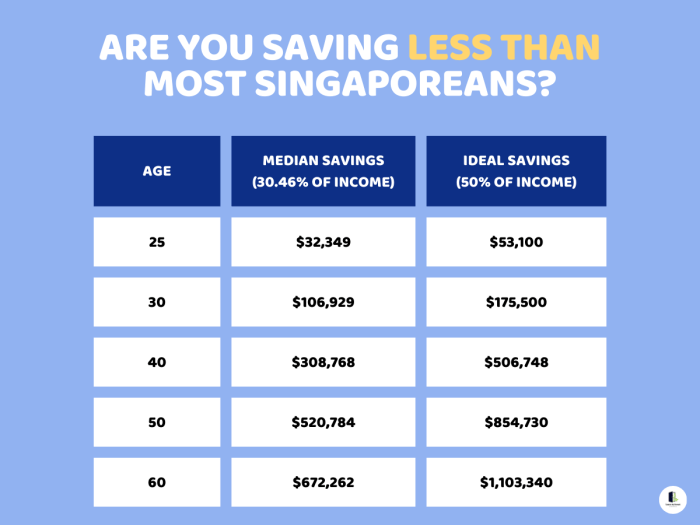
Achieving a net worth of $200,000 by the age of 30 is a remarkable feat, but it requires discipline, patience, and a solid understanding of personal finance. It’s not just about earning a high income, but rather about making smart financial decisions and consistently working towards your goals. In this article, we’ll explore the strategies and habits that can help you build wealth from the ground up and reach financial independence by your mid-thirties.In 2020, a study by the Federal Reserve found that individuals who started saving and investing early in their career were more likely to achieve financial stability and independence.
The key to their success lay in creating a systematic savings plan, investing in a diversified portfolio, and paying off high-interest debt. By following these principles, you can accelerate your financial progress and achieve your goals faster.
Strategies for Saving and Investing
Saving and investing are critical components of building wealth. Here are some actionable strategies to consider:
Start with a budget
Create a comprehensive budget that accounts for all your income and expenses. This will help you identify areas where you can cut back and allocate more funds towards saving and investing.
Automate your savings
Set up a systematic savings plan that transfers a fixed amount from your checking account to your savings or investment accounts.-
- Consider using the 50/30/20 rule: Allocate 50% of your income towards necessary expenses, 30% towards discretionary spending, and 20% towards saving and debt repayment.
- Take advantage of employer-matched retirement accounts, such as 401(k) or IRA, to boost your savings and reduce your tax liability.
- Explore low-cost index funds or ETFs for your investment portfolio, as these have been shown to outperform actively managed funds in the long run.
–
Debt Elimination Strategies
High-interest debt can greatly hinder your financial progress. Here are some effective ways to eliminate debt and free up more money for saving and investing:
Create a debt repayment plan
List all your debts, starting with the ones with the highest interest rates, and prioritize paying those off first.
Consider consolidating debt
If you have multiple debts with high interest rates, consolidating them into a single loan with a lower interest rate can simplify your payments and save you money.-
- Use the snowball method: Pay off smaller debts first to build momentum and confidence.
- Apply the debt avalanche method: Focus on paying off debts with the highest interest rates first to save money on interest.
–
Habits and Skills for Financial Success
Building wealth requires a combination of good habits, skills, and knowledge. Here are some essential areas to focus on:
Develop a patient mindset
Building wealth takes time, and it’s essential to be patient and disciplined in your financial decisions.
Cultivate a growth mindset
Continuously educate yourself on personal finance and investing to stay ahead of the curve.
Build an emergency fund
Aim to save 3-6 months’ worth of living expenses in an easily accessible savings account.
Network with like-minded individuals
Surround yourself with people who share your financial goals and values.By following these strategies, habits, and skills, you can build a solid foundation for wealth and achieve financial independence by your mid-thirties. Remember to stay focused, patient, and disciplined in your financial decisions, and you’ll be well on your way to achieving your goals.
Real-Life Examples
Many individuals have achieved a net worth of $200,000 by the age of 30 through a combination of hard work, smart financial decisions, and strategic planning. Here are a few inspiring examples:
The “frugal millionaire”
Robert Kiyosaki, author of “Rich Dad Poor Dad,” built a net worth of $20 million by age 35 through a series of smart investments and business ventures.
The “early bird”
Grant Sabatier, founder of Millennial Money, achieved a net worth of $1 million by age 30 through a combination of saving, investing, and side hustling.These examples demonstrate that achieving a high net worth requires a willingness to take risks, be patient, and make smart financial decisions. By following these principles, you can join the ranks of these successful individuals and achieve financial independence by your mid-thirties.
Epilogue

In conclusion, achieving a net worth of $200,000 by age 30 is a significant accomplishment that requires dedication, discipline, and a solid understanding of personal finance. While it may seem like a lofty goal, it’s essential to remember that every journey starts with a single step. By breaking down the process into manageable chunks and making smart financial decisions, you can set yourself up for success and create a brighter financial future.
Remember, building wealth is a marathon, not a sprint, and it’s the consistent effort and smart choices that will take you to the finish line.
FAQ Resource
Is $200,000 a good net worth by age 30?
While there’s no one-size-fits-all answer, having $200,000 in net worth by age 30 is generally considered a positive sign, as it indicates a high level of financial discipline and smart decision-making. However, it ultimately depends on individual goals, circumstances, and expenses.
Can I achieve a $200,000 net worth by age 30 with a modest income?
Yes, it’s possible to achieve a $200,000 net worth by age 30 with a modest income, especially if you’re able to save aggressively, invest wisely, and make smart financial decisions. Consider strategies like increasing income, reducing expenses, and taking advantage of tax-advantaged accounts.
Will having a high net worth at 30 make me rich at 40?
Having a high net worth at 30 can certainly provide a solid foundation for future wealth growth, but it’s no guarantee of becoming rich by age 40. Continued discipline, smart investing, and a solid understanding of personal finance will be essential to maintaining and growing your wealth.
Can I achieve a $200,000 net worth by age 30 while paying off debt?
Yes, it’s possible to achieve a $200,000 net worth by age 30 while paying off debt, but it will require careful budgeting, debt management, and a solid understanding of personal finance. Consider strategies like the debt snowball, debt avalanche, or income-driven strategies to accelerate debt repayment.
